
Which Agreements under Dutch law must You Document When Selling Drones?

When selling drones in the Netherlands, you must legally document the classification (C0 to C4) and risk category (open, specific, or certified) applicable to the device, including technical specifications such as weight and maximum flight altitude. Additionally, you must specify obligations regarding registration, insurance, and operator number according to Regulation EU 2019/947 and EU 2019/945. […]
Warranties in Standard Terms and Conditions under Dutch law

Warranties in standard terms and conditions under Dutch law (in Dutch: “garantie”) are binding agreements where the seller ensures that products or services meet specific quality requirements. These provisions allocate risks between parties and determine remedies when performance fails to meet expectations, including repair, replacement, or damages compensation. Warranty provisions in the Netherlands form the […]
Incoterms in General Terms and Conditions under Dutch law
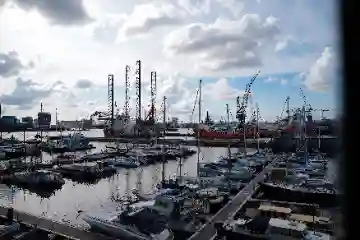
Incoterms are international standardized agreements between seller and buyer regarding goods transport, establishing who bears responsibility for carriage, costs and risk during shipment. Incorporating a specific Incoterms® rule in general terms and conditions prevents misunderstandings about delivery and transport obligations between Dutch and international trading partners. Our Dutch attorneys in Amsterdam shall discuss the most […]
Terminating a Long-Term Contract under Dutch law

A Dutch lawyer terminating a long-term contract assesses the legal validity of the termination, determines a reasonable notice period under Article 6:248 of the Dutch Civil Code, and advises on potential compensation obligations to prevent liability and costly disputes. Under Dutch law, Long-term contracts involve continuous or recurring performance over extended periods, including Dutch supply […]
Conflicting General Terms and Conditions Under Dutch Law: How Do You Know Which Terms Apply?

Under conflicting general terms and conditions, Article 6:225(3) of the Dutch Civil Code establishes that the first reference prevails. Under Dutch law, the other party can override this ‘first shot rule’ through explicit written rejection of the initially mentioned terms while simultaneously declaring their own conditions applicable. Battle of forms under Dutch law When both […]
5 Key Considerations for a Distribution Agreement under Dutch law

When concluding a distribution agreement in the Netherlands, you must address exclusivity arrangements, competition law compliance, termination conditions, pricing agreements, and the obligations of both parties. These elements determine the legal validity and commercial balance of your collaborative relationship with distributors. A distribution agreement under Dutch law governs the business relationship between supplier and distributor […]
Commission Rights after Termination of a Dutch Agency Agreement

Commercial agents in the Netherlands retain the right to commission on agreements concluded after termination when these are primarily the result of their work during the agency and are finalized within a reasonable period according to the Dutch Article 7:431 paragraph 2 of the Dutch Civil Code. Terminating an agency agreement in the Netherlands does […]
What is a Kort Geding? Dutch Summary Court Proceedings for Urgent Relief

A kort geding is a Dutch summary proceedings procedure that enables parties to obtain a preliminary court decision on urgent matters within approximately six weeks. This expedited judicial process addresses time-sensitive legal issues through simplified proceedings before a Dutch district court president, offering substantially faster resolution than ordinary Dutch court procedures that typically exceed one […]
Management agreements in The Netherlands

A management agreement under Dutch law is a contract in which a company engages a director or manager — usually through a management BV — to run part of its business as an independent assignment rather than as an employee. Because it is not a named contract, the parties have wide freedom to shape it, […]
What is a right of retention under Dutch law?

A right of retention is the statutory authority of a creditor to retain possession of a debtor’s property until all outstanding claims are satisfied, as regulated in Article 3:290 of the Dutch Civil Code. This security right protects creditors against payment risks by granting them actual control over goods. For instance, a garage owner retains […]