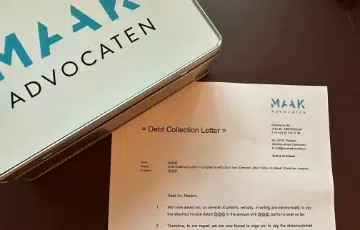
Our Dutch debt recovery lawyers recover business claims using more robust legal instruments than collection agencies can deploy. They impose preliminary attachments, summon debtors, file bankruptcy petitions, and conduct judicial proceedings for every claim. Their sworn admission to the bar guarantees access to the complete arsenal of enforcement measures under the Dutch Code of Civil Procedure.
Creditors with outstanding receivables often choose between a collection agency, bailiff, or Dutch debt collection lawyer. However, a debt collection lawyer possesses unique powers that other collection professionals lack. This specialist combines extrajudicial collection with complete procedural authority, resulting in successful recovery of your claim without judicial intervention in 75% of cases.
Professional debt collection requires strategic legal knowledge of Dutch commercial law, the Dutch Civil Code (Burgerlijk Wetboek), and procedural regulations under the Dutch Code of Civil Procedure (Wetboek van Burgerlijke Rechtsvordering). Therefore, selecting a qualified debt collection lawyer significantly increases your recovery rate compared to standard collection methods.
Why Choose a Dutch Debt Recovery Lawyer?
A Dutch debt recovery lawyer distinguishes themselves through statutory powers exclusively reserved for sworn attorneys under Dutch law. While collection agencies limit themselves to telephone and written reminders, a debt collection lawyer commands the full toolkit of Book 3 of the Dutch Civil Code and the Code of Civil Procedure.
Legal anchor: Article 700 Dutch Code of Civil Procedure authorizes lawyers to request preliminary attachment within 24 hours, freezing debtor assets before judicial decisions occur. This preventive measure blocks asset transfers that commonly frustrate collection efforts.
Exclusive Legal Instruments Under Dutch Legislation
The debt collection lawyer imposes preliminary attachment on bank accounts according to Article 700 Rv, preventing your debtor from transferring assets before the court rules. This measure immediately freezes the debtor’s financial position. Additionally, they must file substantive proceedings within 14 days after attachment to validate the seizure.
A bailiff can execute attachment, but only after obtaining a judgment. A debt collection lawyer acts proactively by imposing preliminary attachment before the court decides, sometimes within 24 hours of receiving instructions. This time advantage prevents debtors from hiding or transferring assets to family members.
Moreover, a debt collection lawyer files bankruptcy petitions against defaulting debtors with at least two enforceable claims. This authority is completely absent for collection agencies and bailiffs. The threat of bankruptcy proceedings exerts maximum pressure on your debtor, often resulting in payment within days.
Collection agencies typically handle standard reminder sequences and telephone contact. However, they cannot represent clients in court proceedings, request attachments, or file bankruptcy petitions—all critical tools for recovering substantial commercial debts in the Netherlands.
Fee Structure for Judicial Proceedings Under Dutch Law
For judicial procedures, the debt collection lawyer works on hourly rates. The District Court (Kantonrechter) handles claims up to €25,000 through simplified proceedings where self-representation remains possible. Nevertheless, legal assistance substantially increases your success rate because a lawyer professionally refutes the debtor’s defense.
Claims exceeding €25,000 require mandatory representation by a Dutch debt recovery lawyer according to Article 79 Rv. These procedures always begin with a summons supporting your claim with contracts, invoices, and payment reminders. Amsterdam District Court typically processes cases within 6 months, after which you obtain an enforceable title.
Court registry fees amount to €127 for claims up to €2,500 and increase to €1,298 for claims exceeding €100,000. These procedural costs are recovered from the losing party upon victory according to Article 237 Rv.
International businesses operating in the Netherlands benefit from transparent cost structures. Dutch law mandates that lawyers provide clear fee agreements before commencing work. Additionally, professional indemnity insurance requirements protect clients against potential errors.
How Does the Extrajudicial Recovery Process Work in Dutch Jurisdiction?
The debt recovery lawyer initiates legally substantiated demand letters that transcend standard payment reminders. These summons explicitly reference articles from the Dutch Civil Code and establish concrete payment deadlines. Debtors recognize the seriousness when a law firm handles the case, knowing judicial steps can follow immediately.
Subsequently, the lawyer negotiates payment arrangements when the debtor cannot settle the full amount immediately. These arrangements are formalized in written agreements with immediate enforceability clauses upon default. This prevents time loss if the debtor defaults again.
An entrepreneur from Amsterdam faced a claim of €15,000 outstanding for 8 months. After engaging a debt collection lawyer, full payment followed within 10 days because the lawyer immediately announced preliminary attachment on the debtor’s business inventory.
Signals for Escalation to Judicial Steps According to Dutch Legislation
Certain signals indicate necessary escalation. When your debtor fails to respond to three reminders within 6 weeks, refuses all contact, or denies their payment obligation without substantiation, judicial intervention becomes appropriate. Furthermore, hiding assets or transferring business property to third parties indicates malicious intent.
Moreover, structural payment problems at your debtor justify bankruptcy proceedings. When multiple creditors report outstanding claims, you protect your interests by acting swiftly before assets are completely depleted.
Therefore, experienced debt collection lawyers monitor debtor behavior patterns systematically. They recognize warning signs indicating asset dissipation, requiring immediate protective measures through preliminary attachment or bankruptcy petitions under the Dutch Bankruptcy Act (Faillissementswet).
What Does a Judicial Collection Procedure Entail Under Dutch Law?
Judicial proceedings begin with a summons that the bailiff serves at the residential address or registered office of the debtor. This summons contains your claim, the legal basis under the Dutch Civil Code, and a specified overview of principal, interest, and costs according to Article 6:119 BW.
The procedure at Amsterdam District Court averages 4 to 8 months from summons to judgment. During this period, the debt collection lawyer conducts legal debate, responds to the debtor’s defense, and substantiates your claim with supporting documents. Legal anchor: Article 111 Rv stipulates that you must provide evidence of your claim through invoices, agreements, and correspondence.
Refuting Defense and Delivering Evidence in the Netherlands
Your debtor may raise defenses claiming they dispute the invoice, the delivered performance was defective, or compensation is possible with their own claims. A debt collection lawyer refutes this defense by citing contractual provisions, submitting witness statements, or producing expert reports.
Additionally, the judge may order a hearing where both parties are heard orally. At this session, your lawyer demonstrates that all contractual obligations were correctly fulfilled and that the debtor failed to pay without valid reason.
After judgment, you obtain an enforceable title immediately executable. With this judgment, you engage a bailiff for executory attachment of wages, bank accounts, or real estate according to Title 3 of the Dutch Code of Civil Procedure. The debtor must then pay within the stipulated deadline or risk forced execution.
Dutch procedural law provides creditors with robust enforcement mechanisms. However, navigating these procedures requires specialized knowledge of local court practices, judicial preferences, and effective argumentation strategies that experienced debt collection lawyers possess.
Do you want certainty about your legal position with persistent defaulters? Our specialized debt collection lawyers in Amsterdam analyze your situation and advise on the most effective strategy for rapid recovery of your claim.
What Advantages Does Preliminary Attachment Offer During Collection in the Netherlands?
Preliminary attachment serves as a preventive measure to prevent asset flight. The debt collection lawyer requests permission from the preliminary relief judge within 48 hours to attach specific assets. This procedure typically proceeds without the debtor’s presence, preserving the element of surprise.
After permission is granted, the lawyer instructs a bailiff to actually impose the preliminary attachment. For bank attachments, the bank receives an attachment writ blocking all debtor accounts up to the specified amount. The debtor cannot spend this money and the bank does not disburse it to others.
Different Forms of Preliminary Attachment Under Dutch Law
Bank attachment represents the most common form because 85% of business assets reside in bank accounts. Additionally, you can attach trade goods in warehouses, business inventory such as machinery and computers, or even future receivables that your debtor must still receive from their own clients.
Legal anchor: Article 700 Rv permits creditors to freeze debtor assets before obtaining final judgment, provided they demonstrate urgency and a valid claim. This protection mechanism prevents judgment-proof situations where debtors dissipate assets during litigation.
Moreover, preliminary attachment can target real estate through registration in public registers. This prevents sale or mortgage encumbrance until the court definitively rules on your claim. However, this form requires higher costs because notarial involvement is necessary.
After imposing attachment, the lawyer initiates substantive proceedings within 14 days according to Article 700 paragraph 4 Rv. If you exceed this deadline, the preliminary attachment automatically lapses. Therefore, professional debt collection lawyers plan the procedure strategically before imposing attachment.
International creditors particularly benefit from preliminary attachment when dealing with Dutch debtors. This instrument protects foreign claims against asset dissipation while judicial proceedings progress, ensuring enforceable judgments retain practical value.
When Does a Debt Collection Lawyer File Bankruptcy in Dutch Jurisdiction?
The debt collection lawyer submits a bankruptcy petition to the court when your debtor has at least two enforceable debts and is in a state of apparent insolvency. This apparent insolvency manifests through non-payment of multiple creditors for extended periods, typically exceeding 6 weeks after due dates.
The bankruptcy petition contains detailed substantiation of your claim and supporting documents demonstrating that other creditors also remain unpaid. Legal anchor: the Dutch Bankruptcy Act requires proof according to Article 6 Fw that the debtor is in a state of apparent insolvency, for example through unpaid tax assessments or other legal disputes.
Effects of a Bankruptcy Petition According to Dutch Legislation
The mere threat ensures that 60% of debtors proceed to payment before the court decides on the petition. Indeed, bankruptcy signifies the definitive end of the business and personal consequences for directors who may be held liable for mismanagement.
Furthermore, the judge can appoint a provisional administrator who immediately controls all business activities. This measure prevents further asset commingling and protects the interests of all creditors collectively.
Upon actual bankruptcy declaration, the trustee distributes remaining assets among all creditors proportionally. As a preferential creditor, you receive payment before unsecured creditors, provided you submit your claim timely to the trustee within the stipulated deadline of typically 4 weeks after bankruptcy date.
Dutch bankruptcy law offers creditors significant leverage in debt recovery. However, bankruptcy proceedings should be strategic decisions rather than reactionary measures, requiring careful assessment of debtor solvency and alternative recovery prospects.
Ready to protect your commercial interests? Our debt collection lawyers in Amsterdam evaluate your claim’s enforceability and recommend optimal legal strategies for maximizing recovery while minimizing procedural costs and delays.
How Does a Debt Collection Lawyer Differ From a Bailiff in the Netherlands?
The bailiff exclusively imposes executory attachment after obtaining a judgment or other enforceable title. They therefore execute the endgame when all legal decisions have already been made. Conversely, the debt collection lawyer can handle the complete trajectory from initial reminder through execution phase.
Additionally, bailiffs primarily focus on consumer collection such as unpaid rental debts or consumer credit. The debt collection lawyer specializes precisely in commercial claims between entrepreneurs, involving more complex legal questions regarding contract interpretation, guarantees, and joint liability.
Court Representation and Strategic Advice Under Dutch Law
A crucial difference lies in court representation. Only a lawyer may litigate for claims exceeding €25,000 and in all proceedings before the Court of Appeal or Supreme Court. Moreover, the debt collection lawyer provides strategic advice about success probability before initiating costly procedures.
Legal anchor: Article 79 Dutch Code of Civil Procedure mandates legal representation for substantial claims, ensuring professional advocacy before judicial authorities. This requirement protects both creditor and debtor interests through qualified legal argumentation.
Furthermore, the lawyer can initiate summary proceedings for urgent matters requiring immediate interim measures. In summary proceedings, the preliminary relief judge decides within 2 weeks, providing you with a quickly enforceable ruling without awaiting substantive proceedings.
The primary distinction remains the preventive role: a debt collection lawyer creates pressure before any procedure begins, while a bailiff only acts after obtaining judgment. This early intervention saves you months of procedural time and considerable costs.
International businesses particularly value this comprehensive approach. Rather than coordinating between collection agencies, lawyers, and bailiffs across multiple stages, a specialized debt collection lawyer provides integrated service throughout the recovery process.
What Are the Success Factors in Commercial Collection in Dutch Law?
Speed largely determines collection success. The longer you wait with legal steps, the more time your debtor has to dissipate assets or declare bankruptcy. A debt collection lawyer therefore acts within 48 hours after instruction by sending legally substantiated reminders with concrete deadlines.
Furthermore, thorough documentation significantly increases your success rate. Preserve all communication with the debtor, record telephone conversations with dates and content, and archive payment reminders systematically. The lawyer uses this evidence to substantiate your claim conclusively before the court.
Legal Expertise in Contract Law According to Dutch Legislation
The debt collection lawyer analyzes your underlying agreement for legal hooks and catches. They identify clauses regarding interest, extrajudicial costs, and retention of title that strengthen your position. For example, valid retention of title according to Article 3:92 BW grants you separatist status during debtor bankruptcy.
Legal anchor: Article 3:92 Dutch Civil Code permits creditors with valid retention of title clauses to reclaim delivered goods from bankrupt estates, bypassing the proportional distribution among general creditors. This preferential position significantly improves recovery prospects.
Additionally, the lawyer assesses whether supplementary claims are possible such as delay interest of 8% annually on commercial transactions under the Late Payment in Commercial Transactions Act. This statutory interest accrues automatically from the due date and can accumulate substantially within months.
Local knowledge of Amsterdam District Court and Dutch collection practice optimizes your result. An experienced debt collection lawyer knows the working methods of specific judges, understands which arguments prove most effective, and anticipates common debtor defenses in your sector.
What Role Does E-A-T Play in Selecting Your Debt Collection Lawyer in the Netherlands?
Expertise manifests through specialization in collection law and procedural law. A specialized debt collection lawyer handles hundreds of collection cases annually and possesses current knowledge of case law. They immediately apply recent Supreme Court decisions to your strategy and prevent costly legal miscalculations.
Authority demonstrates itself through membership of the Dutch Bar Association (Nederlandse Orde van Advocaten) and compliance with the Legal Profession Act (Advocatenwet). This statutory supervisor guarantees that your lawyer adheres to strict conduct rules, including duty of care and confidentiality. Collection agencies do not fall under this regulation and lack this quality assurance.
Trustworthiness Through Transparent Working Methods Under Dutch Law
Reliable debt collection lawyers communicate clearly about costs, opportunities, and risks before you issue instructions. They apply No Cure No Pay where possible and provide realistic assessments about your claim’s feasibility. Additionally, they offer 24/7 online access to progress through a client portal.
Legal anchor: The Dutch Bar Association requires lawyers to provide transparent fee structures and realistic success estimations, protecting clients from unexpected costs or unrealistic expectations during collection proceedings.
Moreover, reputable firms work with dedicated contact persons who personally manage your file. You do not speak with different staff members each time, but build a relationship with one debt collection lawyer who knows your business and industry.
Client satisfaction averaging 9 out of 10 proves the quality of specialized debt collection lawyers. This rating emerges from independent review platforms where entrepreneurs share their experiences regarding speed, professionalism, and results of their collection cases.
Contact our law firm in Amsterdam for personalized legal advice about your specific collection matter. We immediately assess your success probability and establish an effective strategy to recover your claim within the shortest possible timeframe.